Termite treatment
Learn what happens from inspection through a written treatment estimate.
Learn more →Termite answers for Casa Grande
Practical Arizona termite guidance: preserve the evidence, arrange an inspection, and understand the findings before choosing treatment.
Free to request. No appointment is booked until you agree to one.

If you found something today
A mud tube, a pile of wings, damaged trim, or winged insects may justify an inspection. It does not justify an online diagnosis or an automatic pesticide purchase.
Take one close photograph and one wider photograph that shows the location. Note when it appeared and whether plumbing, irrigation, rain, landscaping, utility work, or remodeling occurred nearby. If you have prior termite documents, collect them before the visit.
University of Arizona and state guidance describe subterranean termites as a significant Arizona concern. Those broad facts explain why the evidence deserves attention; they cannot determine whether a particular Casa Grande home is active or what method is appropriate.
Review common signs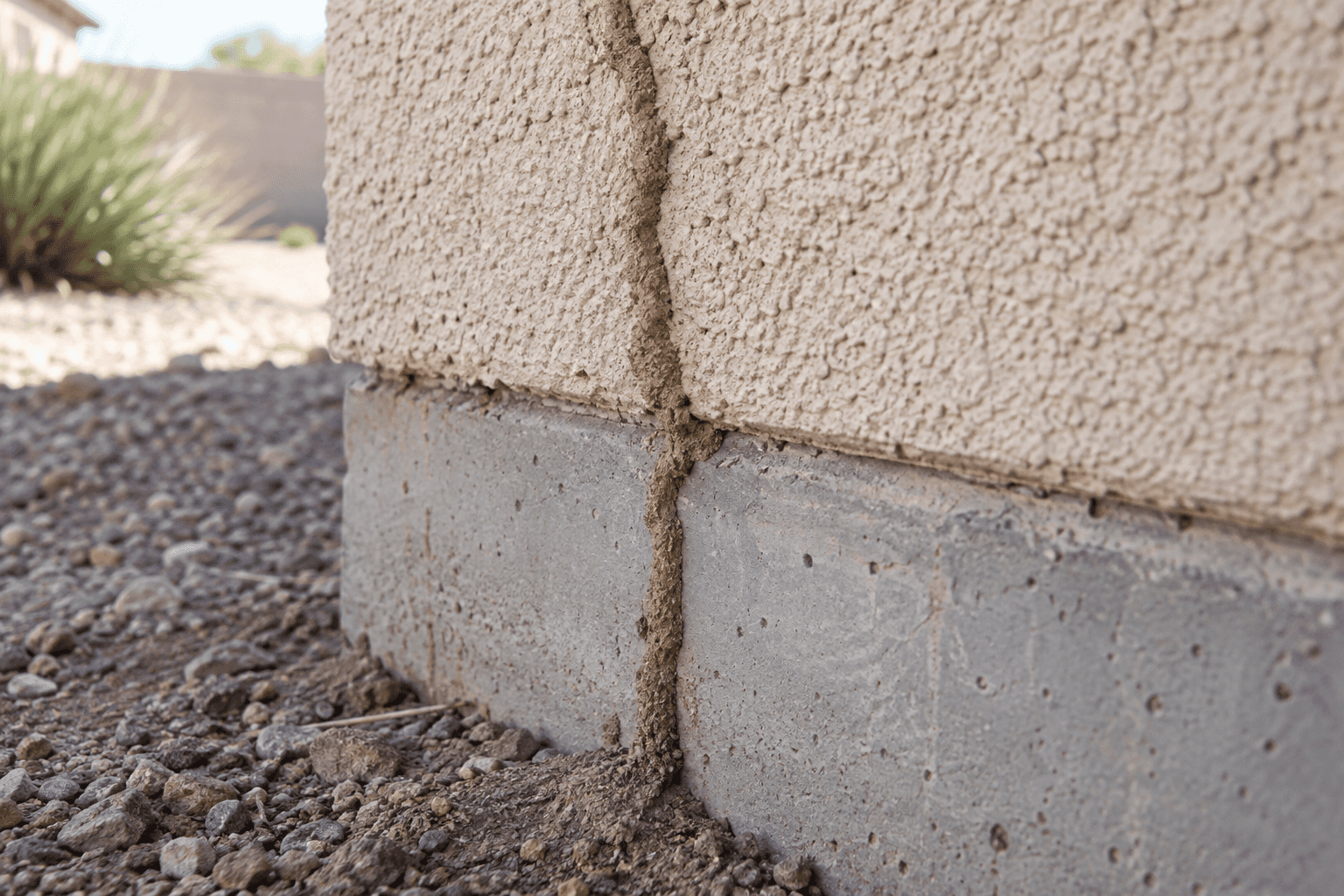
One termite topic, six situations
Treatment, inspections, transactions, pretreatment, and recurrence require different records and questions.
Learn what happens from inspection through a written treatment estimate.
Learn more →Preserve evidence, prepare access, and understand visible-area limits.
Learn more →Learn where inspectors look for termites entering from the soil.
Learn more →Prepare the records, access, and deadline for an Arizona transaction report.
Learn more →Find the original pretreatment paperwork and check whether coverage remains.
Learn more →Find out what to do when termite signs appear after earlier service.
Learn more →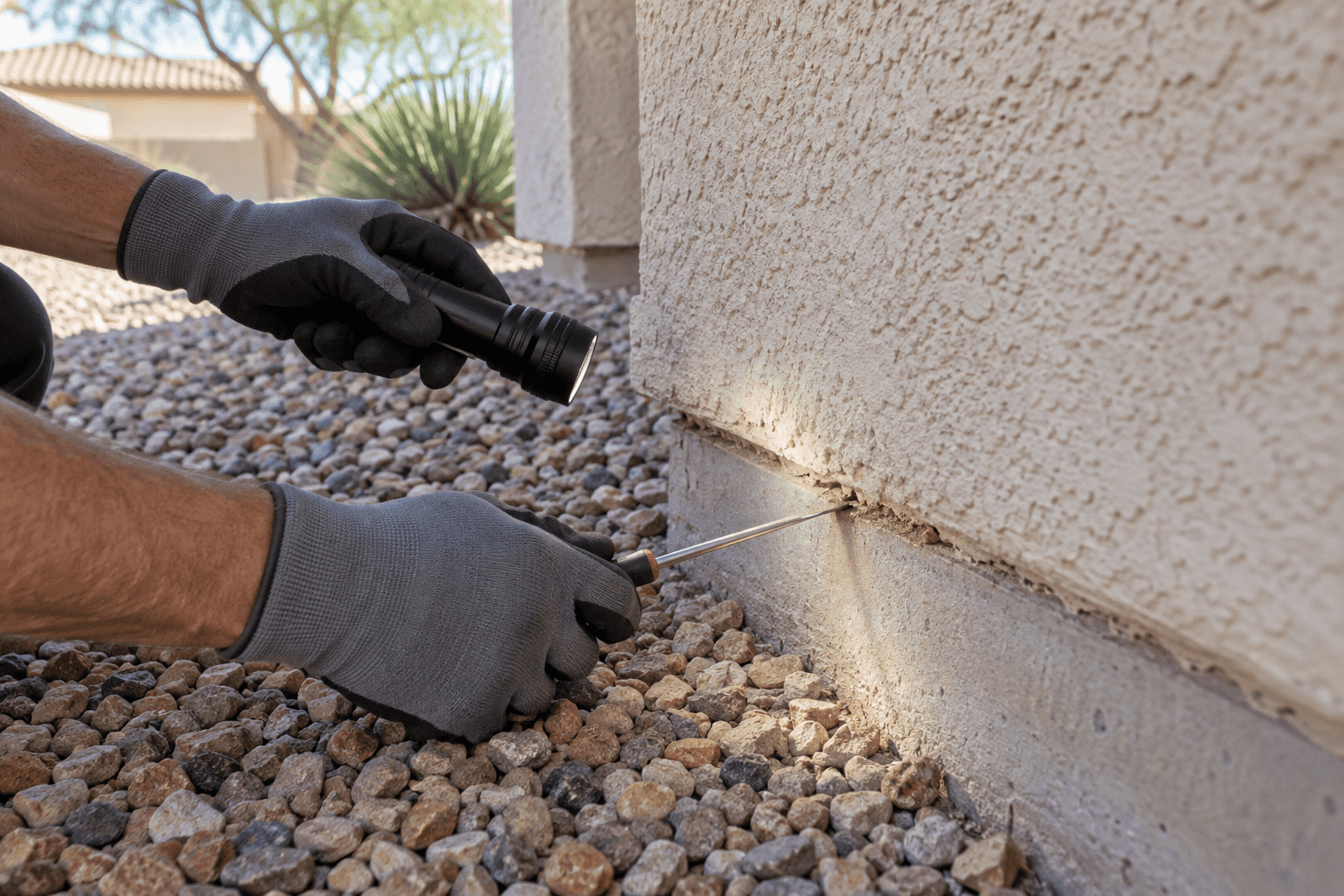
A useful inspection starts before arrival
Gather any photographs, pretreatment paperwork, old service agreements, warranties, and recent real-estate reports. Tell the inspector about patio additions, plumbing leaks, new irrigation, utility work, or remodeling near the area where you found evidence.
Ask the inspector what was found, which areas could not be checked, and whether treatment is recommended. Get the findings and proposed work in writing before making a treatment or real-estate decision.
Prepare for an inspectionWhat happens next
Inspection comes before treatment.
Share the location, timing, property type, photographs, and prior treatment history.
A qualified termite company reviews the request and confirms the appointment, access needs, and type of report.
The provider explains what was found, what was inaccessible, and any proposed treatment in writing.
Inside Casa Grande
Every home is different. These pages explain what records and access may help with an inspection in each type of property.
Straight answers
Straightforward answers about signs, inspections, treatment, and prior coverage.
Arizona university and state guidance identify subterranean termites as an important urban pest. Casa Grande's desert setting and growing housing inventory support awareness, but only a property inspection can evaluate an individual concern.
Photograph it close-up and from a distance, note the exact location and date, and avoid removing all of it. Share the evidence and property history with an appropriately licensed provider.
No. This site is an information and referral resource. Inspection, identification, pesticide work, pricing, and warranties belong to appropriately licensed pest-control businesses.
We review your request and follow up. With your permission, it may be shared with a licensed pest-control business serving Casa Grande so it can contact you. It does not book an appointment or authorize treatment.
Tell us what you noticed and where. A qualified termite professional can then inspect the property and explain the options.